Loading...
Shloka & Transliteration
ततः, पदम्, तत्, परिमार्गितव्यम्, यस्मिन्, गताः, न, निवर्तन्ति, भूयः,
तम्, एव्, च, आद्यम्, पुरुषम्, प्रपद्ये, यतः, प्रवृत्तिः, प्रसृता, पुराणी।।4।।
Standard Word-for-Word Meaning
Once a seeker finds the enlightened Tatvdarshi saint, they must diligently search for the supreme abode—Satlok—of the Almighty God. Having reached that realm, devotees never return to this material world. One must take refuge in that Eternal, Supreme Divine Being (Param Akshar Brahm / Purna Parmatma), from whom this ancient creation and primeval nature originally sprung, and worship Him alone with unwavering determination.
Gita Press Gorakhpur Text Reference
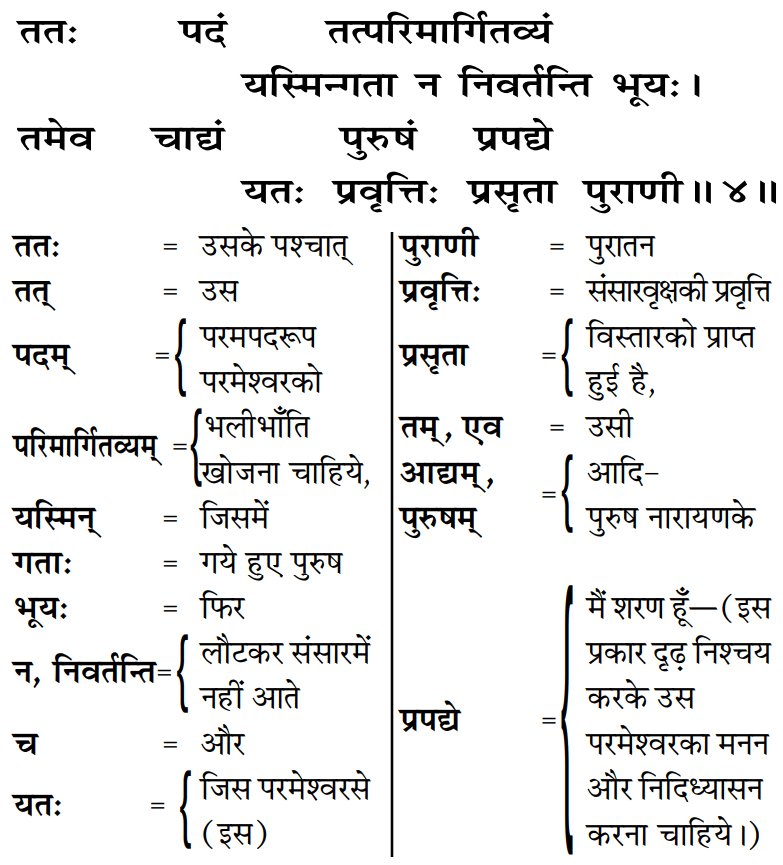 Figure 1: Original text verification sourced directly from the authoritative Gita Press Gorakhpur print edition.
Hidden Mysteries & Secrets
Gita 15.4 marks the ultimate destination and turning point of Chapter 15. Having exposed the limitations of the local universe and its ruler in Verse 3, the text now provides a definitive roadmap for the soul's liberation, transitioning from the destructive act of cutting the cosmic tree to the constructive act of entering the eternal realm.
The verse opens with a critical condition: the search for the supreme place can only begin "after one finds the Tatvdarshi saint."
The True Destination: Satlok (The Supreme Abode)
Once the guide is found, the objective is explicitly named: searching for the supreme place of that Supreme God, known scripturally as Satlok.
The Supreme Source: Param Akshar Brahm
The text identifies the ruler of this ultimate realm as the Param Akshar Brahm (the Supreme, Imperishable Divine Being or Purna Parmatma).
The Ultimate Declaration of Refuge and Worship
The verse concludes with a powerful spiritual directive: "I also am in the refuge of that Eternal Purna Parmatma. One should only do bhajan (worship) of that Supreme God with full determination."