Shloka & Transliteration
Standard Word-for-Word Meaning
Translation: Rooted above in the Supreme Almighty (Purna Parmatma) and branching downward into the three universal energies (gunas—Brahma, Vishnu, and Shiva), this world is an imperishable, vast Peepal tree. Its minute branches and leaves are like the sacred verses of the Vedas. Anyone who understands this cosmic tree in comprehensive detail is a true visionary who knows the ultimate truth (Tattvadarshi).
Hindi Translation
(ऊर्ध्वमूलम्) ऊपर को पूर्ण परमात्मा आदि पुरुष परमेश्वर रूपी जड़ वाला (अधःशाखम्) नीचे को तीनों गुण अर्थात् रजगुण ब्रह्मा, सतगुण विष्णु व तमगुण शिव रूपी शाखा वाला (अव्ययम्) अविनाशी (अश्वत्थम्) विस्तारित पीपल का वृृक्ष है, (यस्य) जिसके (छन्दांसि) जैसे वेद में छन्द है ऐसे संसार रूपी वृृक्ष के भी विभाग छोटे-छोटे हिस्से या टहनियाँ व (पर्णानि) पत्ते (प्राहुः) कहे हैं (तम्) उस संसाररूप वृक्षको (यः) जो (वेद) इसे विस्तार से जानता है (सः) वह (वेदवित्) पूर्ण ज्ञानी अर्थात् तत्वदर्शी है।
Gita Press Gorakhpur Text Reference
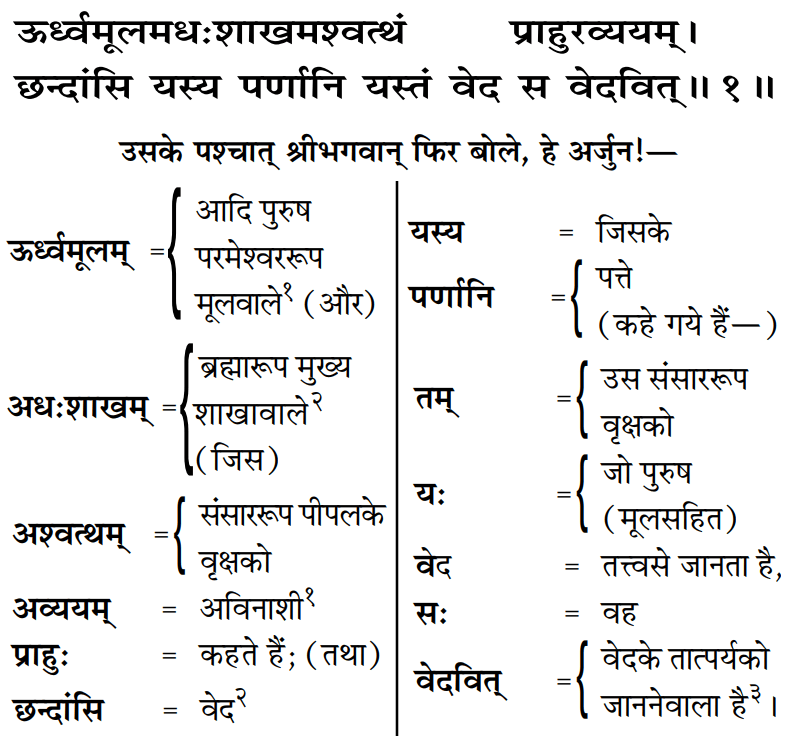 Figure 1: Original text verification sourced directly from the authoritative Gita Press Gorakhpur print edition.
Hidden Mysteries & Secrets
The Identity of the Tatvdarshi Saint
A critical investigation of the Bhagavad Gita reveals that the speaker of the Gita does not claim to hold the ultimate spiritual knowledge himself. Instead, the text systematically directs seekers toward an external, enlightened spiritual master.
Decoding the Cosmic Tree Matrix
Bhagavad Gita Chapter 15, Verse 1 provides the exact "litmus test" to identify a true Tatvdarshi saint. A genuine master must be able to decode the inverted cosmic tree of creation down to its precise structural anatomy:
The Final Verdict
Any commentary that glosses over these explicit boundaries fails to capture the core architecture of the text. A true Tatvdarshi saint is not someone who repeats conventional summaries. They are an authoritative guide who provides a complete, map-like breakdown of all the universes, showing souls exactly how to break free from the branches of the three gunas and return to the ultimate root—the Supreme Lord.